Gallery
Our history, artists, projects and partnerships
Paci contemporary gallery
Paci contemporary gallery was founded in 2004, showing the preference towards photography as the main field of investigation of visual arts.
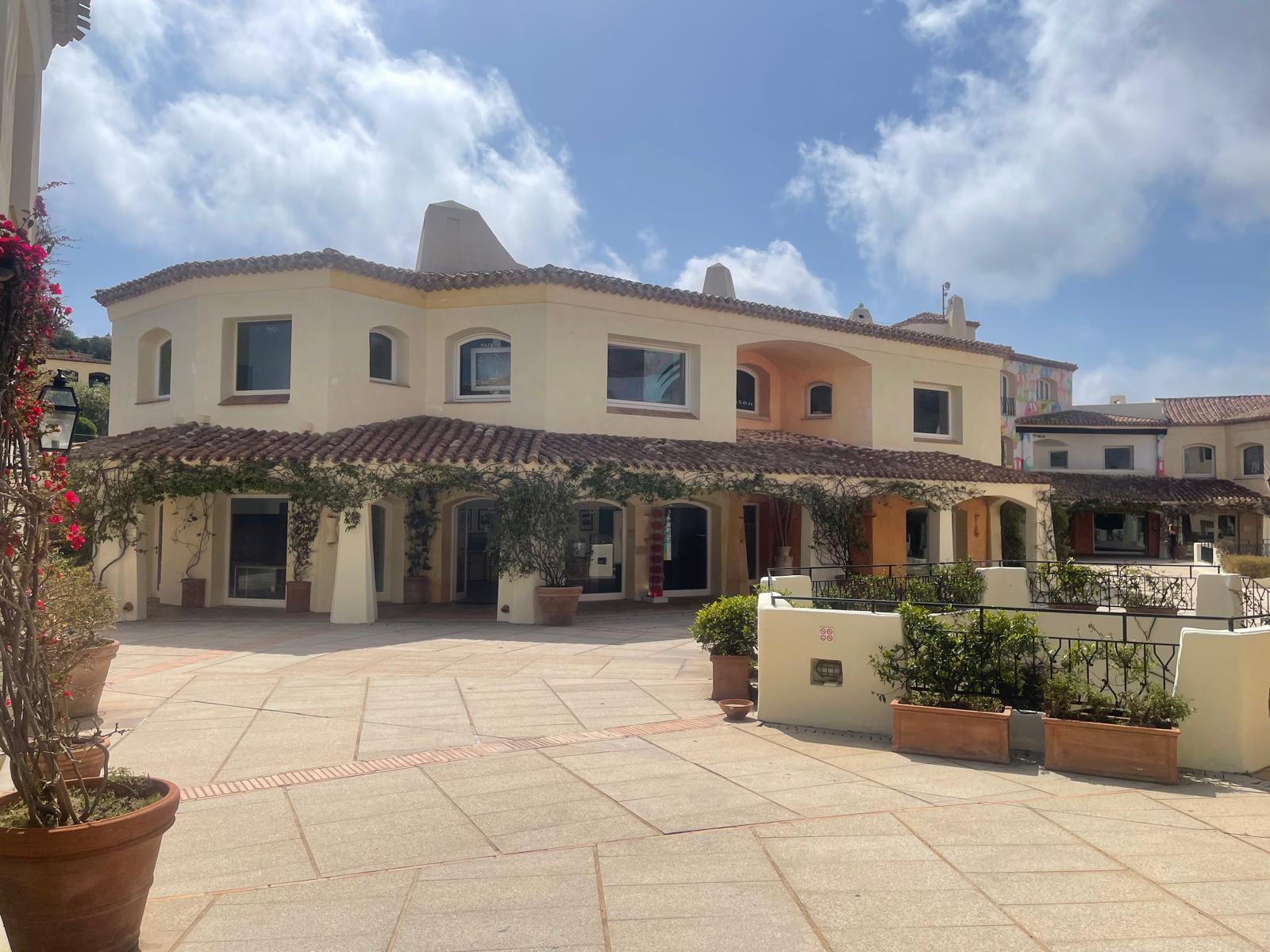
Member of AIPAD (Association of International Photography Art Dealers), the most important international association of photography galleries in the world, since 2014, the gallery owns a second exhibition space, open during summer season, in the prestigious location of Porto Cervo, the heart of the Costa Smeralda in Sardinia.
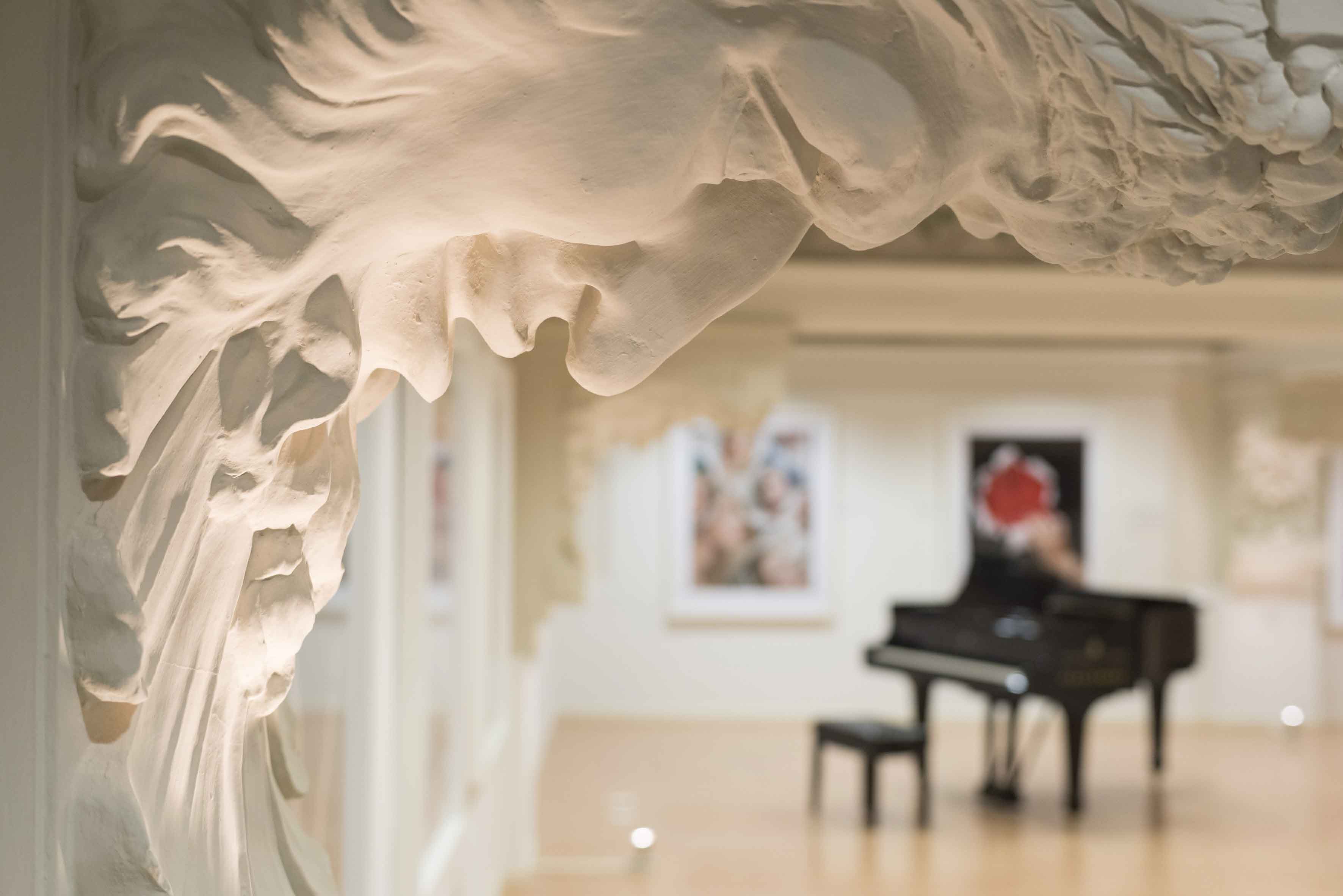
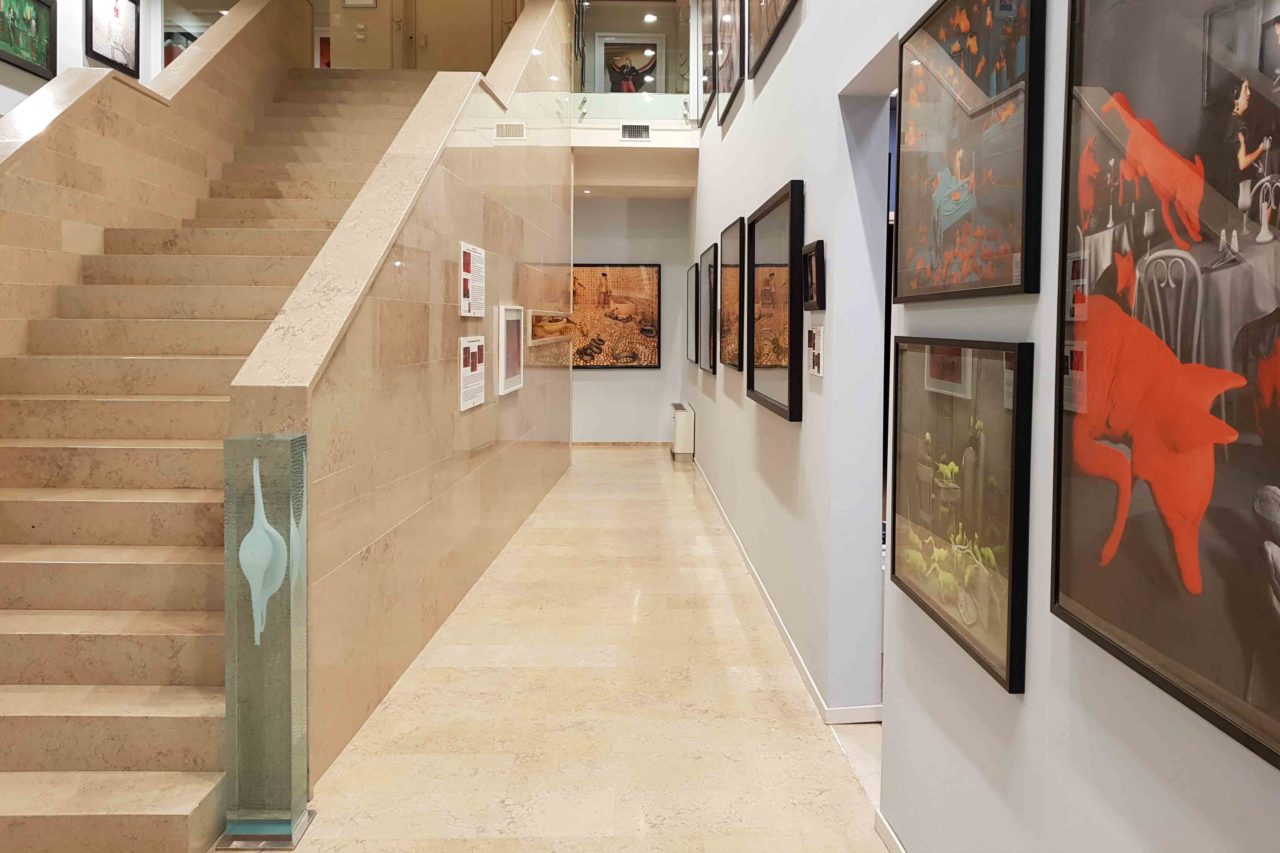
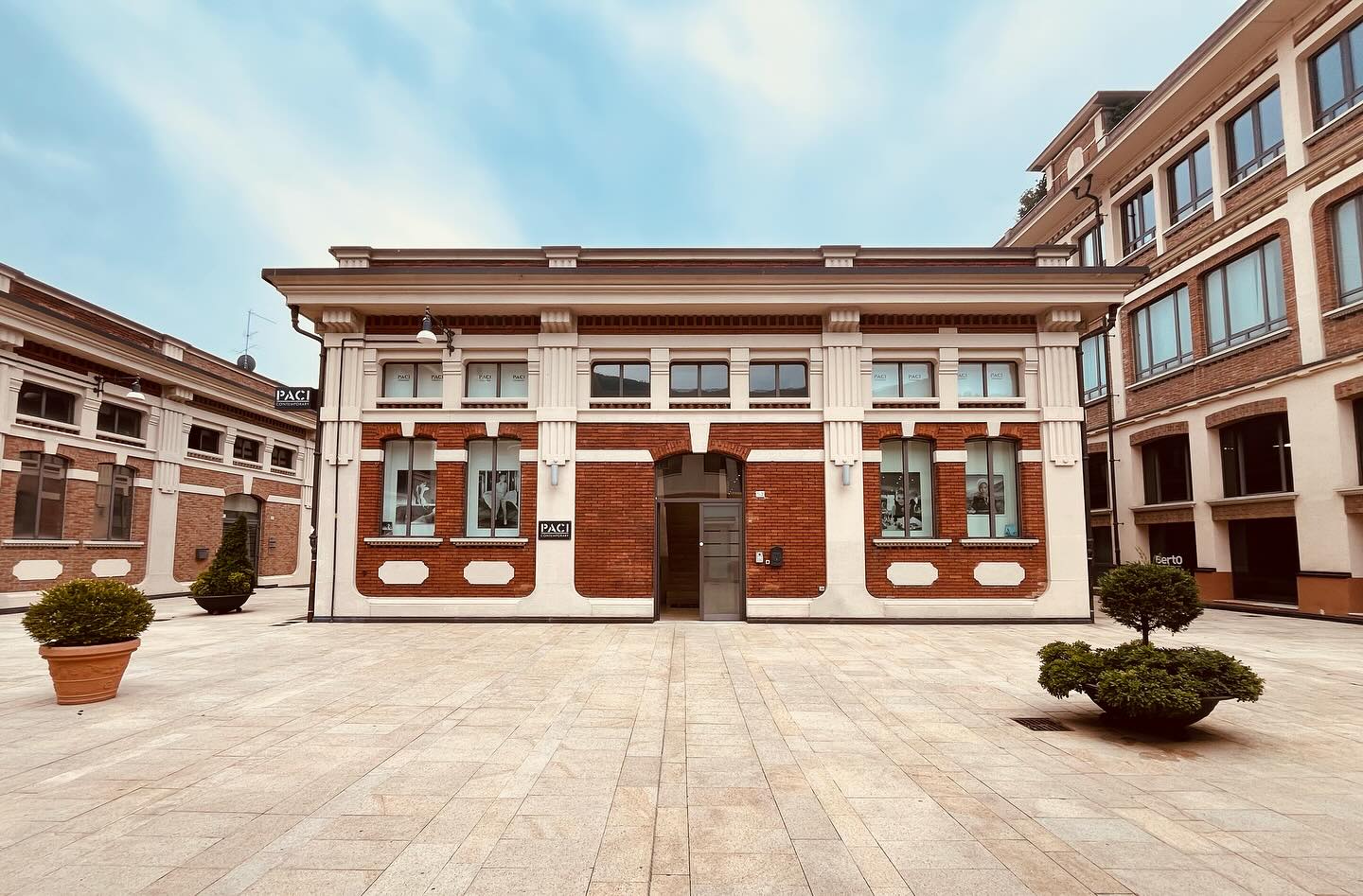
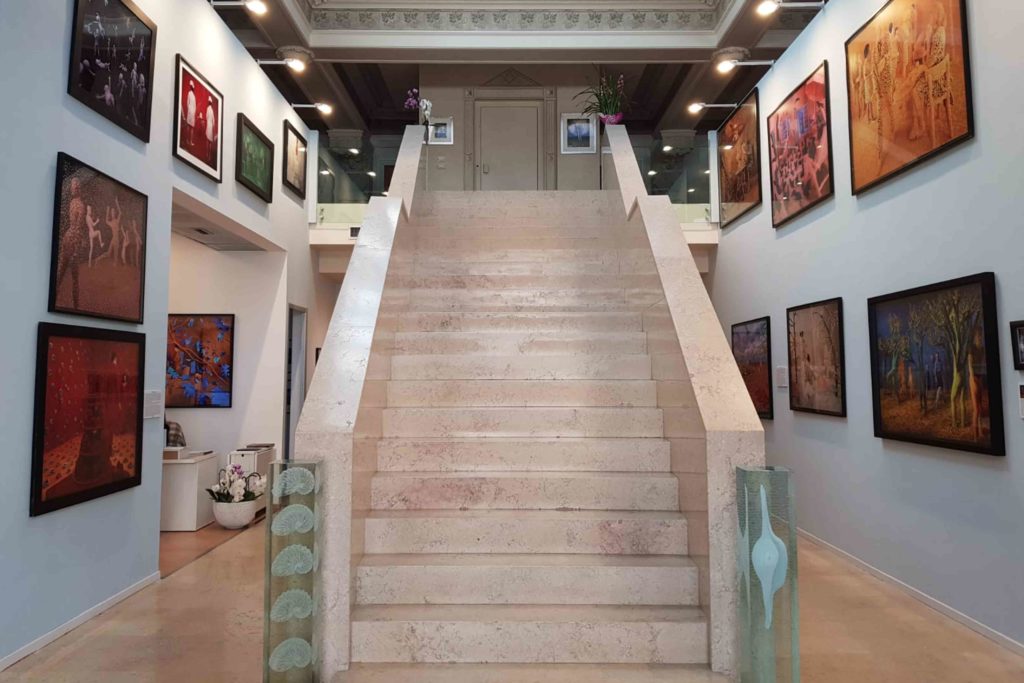
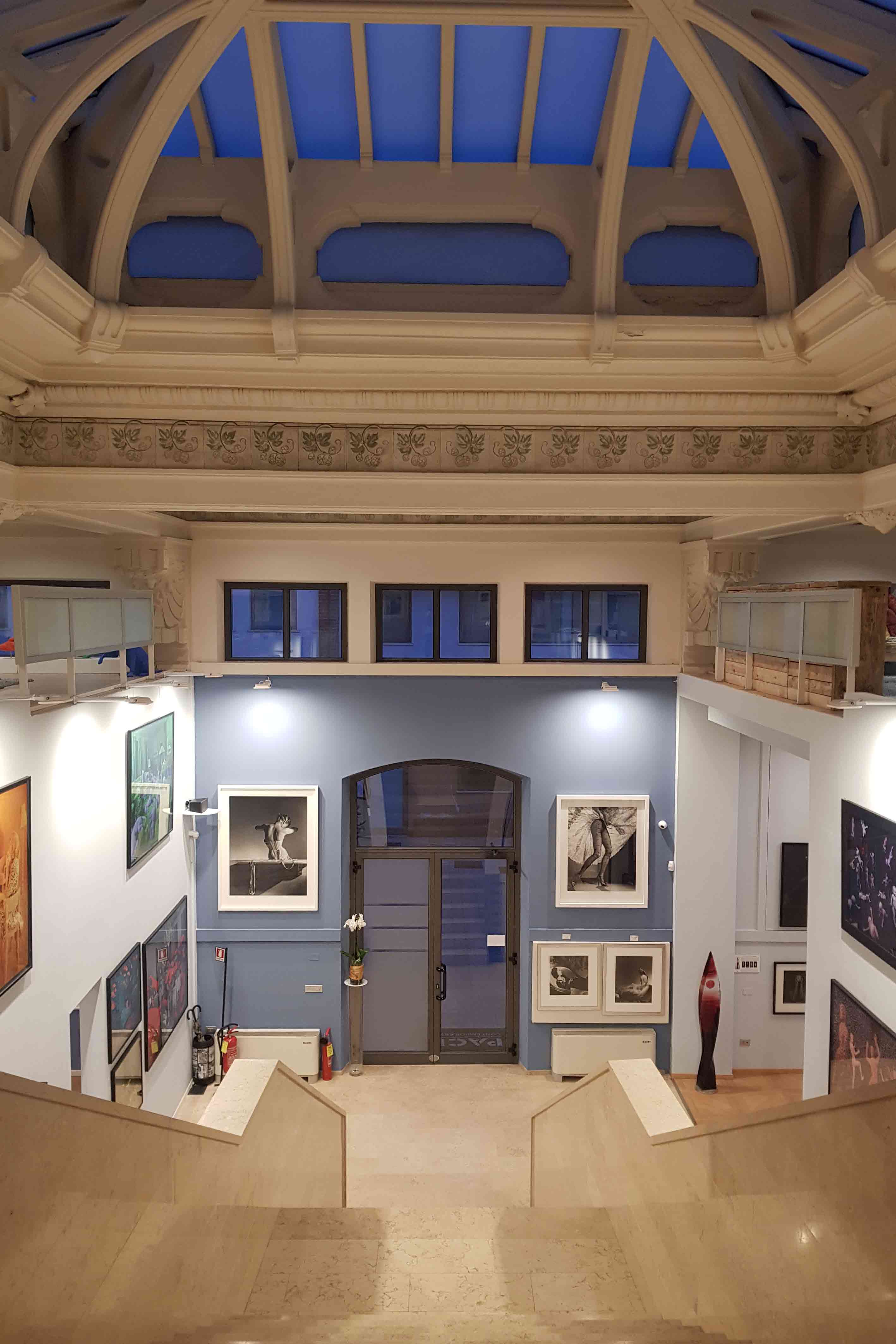
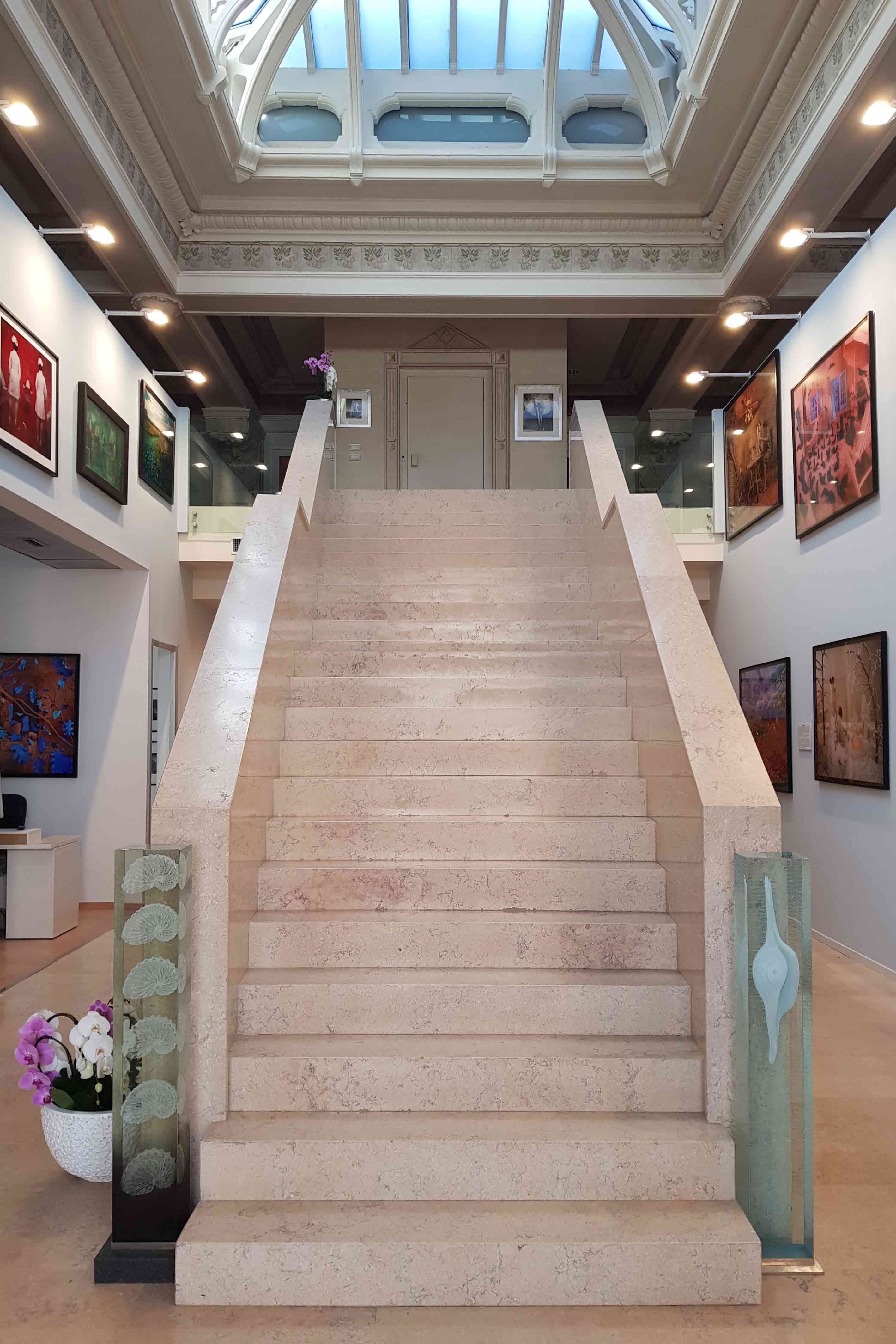
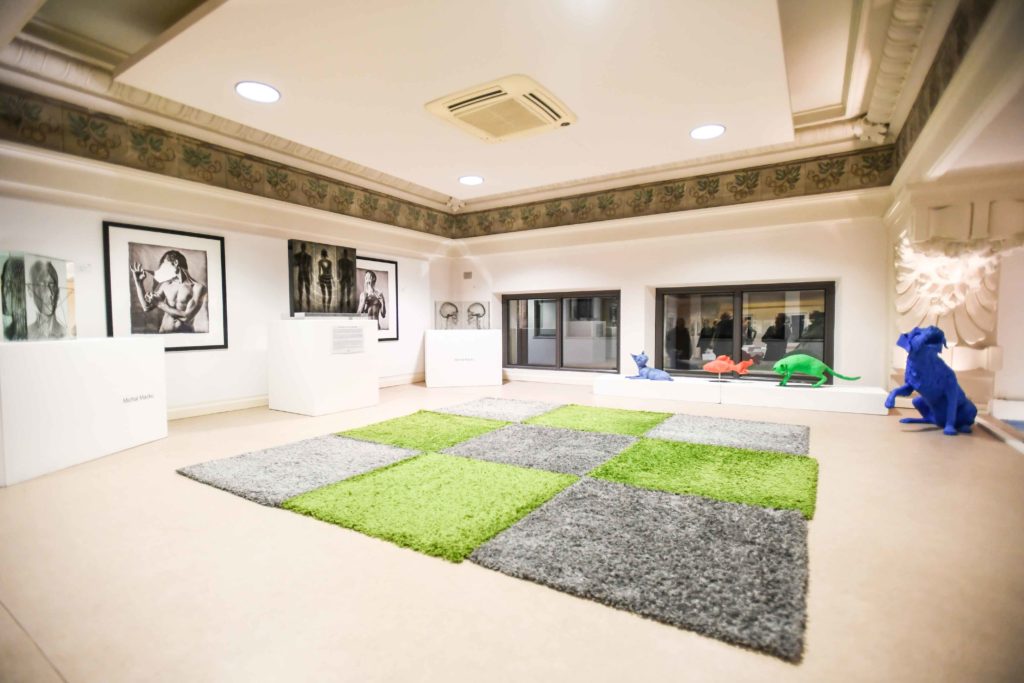
Since December 2018 the gallery moved from the historic center to the prestigious new location of the Borgo Wuhrer: an impressive exhibition space, located on three floors and historical ex-center for a famous brewery in Brescia.
For over 20 years, our gallery has brought together some of the most influential figures in international photography, artists who, through different languages and sensibilities, have made a decisive contribution to the evolution of the medium. Represented exclusively in Italy, Europe, or worldwide.
A pioneer of staged photography, Sandy Skoglund constructs complex, entirely real sets, transforming space into a total work of art. Lori Nix belongs to the same area of research, using dioramas and miniatures to depict post-apocalyptic urban scenarios characterized by the dominant return of nature.
On the social criticism front, Leslie Krims emerges, who since the 1960s has used photography as a satirical and provocative tool, while Erwin Olaf stands out for his perfect scenography and intense balance between aesthetics and emotional introspection.
The history of fashion photography finds fundamental references in Horst P. Horst and Bert Stern: the former, a master of elegance and composition, defined the iconic style of Vogue magazine; the latter created the famous “Last Sitting,” Marilyn Monroe’s last photo shoot.
The world of great cinematic portraits is represented by Douglas Kirkland, author of some of the most significant images of Hollywood’s elite.
The formal and symbolic research of Ralph Gibson, as well as the spiritual and ritualistic dimension of Mario Cravo Neto‘s works, enrich our journey with deeply personal visions. These are complemented by the chromatic and narrative intensity of Miguel Rio Branco, a member of Magnum Photos, whose work explores contrasts, identities, and stories of contemporary Brazil.
Our journey continues with the revolutionary contribution of Martin Munkacsi, who introduced freedom of movement to photography in the 1920s and 1930s, profoundly influencing the language of reportage and fashion.
Experimentation with materials finds one of its most original expressions in the works of Michal Macku, creator of the Gellage and Glass Gellage techniques, three-dimensional photographic sculptures that combine glass, emulsion, and analog printing.
Technological innovation is represented by Nancy Burson, considered the pioneer of computer-generated portraits. One of the first artists to integrate art and science, she developed—thanks in part to her collaboration with MIT—the first digital morphing techniques applied to portraiture, introducing composite portraits as a new way of investigating identity. Her works address issues related to gender, race, representation, and politics. In 1981, she also patented a program now used by the FBI to locate missing children.
In closing, Phil Borges‘s gaze represents the most profoundly human dimension of our selection. For over twenty-five years, the artist has been documenting tribal cultures and communities at risk through “environmental portraiture,” restoring dignity, identity, and memory to stories that are often ignored. His work, presented in museums and international institutions, bears witness to his ongoing commitment to defending human rights and promoting cultural diversity.
Among the new developments for 2026, we are pleased to announce our collaboration with the Vivian Maier Estate (NY) and the Frank Horvat Foundation (Paris).
Partnerships
Paci contemporary develops a continuous cooperation with museums and other galleries to promote its own artists, such as the Centre Pompidou and MEP in Paris, Tate Gallery in London, McNay Art Museum of San Antonio in Texas, Museum of Contemporary Art in Denver, Mjellby Konstmuseum in Halmstad, Fotografiska Museum in Stoccolma, Pedrera in Barcellona, the Museum of Cinema in Turin, the Westlicht Museum for Photography in Vienna… The cooperation with critics, both Italians and foreigners, collocate the dynamism of the gallery in the international pluridisciplinar scene, creating series of publications, books and monographs centered on the represented artists, thus favoring a deeper look on their work.